The Lighting “Rules” Designers Ignore in 2026 (But Homeowners Still Follow)
In the ever-changing landscape of interior design, 2026 represents a critical year because a whole new way of thinking about lighting design is being developed by lighting design experts, while traditional principles are being strictly adhered to by homeowners. If you are a discerning reader, this article will represent a shining beacon in a tour through the current landscape of lighting.
Table of Contents
The Evolution of Lighting Trends: What Changed in 2026?
A Shift Towards Sustainability
Sustainability, in the year 2026, is at the forefront of the world of lighting. Lighting designers and experts have started to adopt more eco-friendly and innovative ways to reduce the carbon footprint of lighting. The shift from the traditional “rules” opens the door to energy-saving LEDs and intelligent lighting systems. These technologies enhance ambiance and provide real energy savings. Want to adopt these sustainable practices? Our Lighting Calculator will provide you with tailored advice on more eco-friendly choices.
Embracing Smart Home Integration
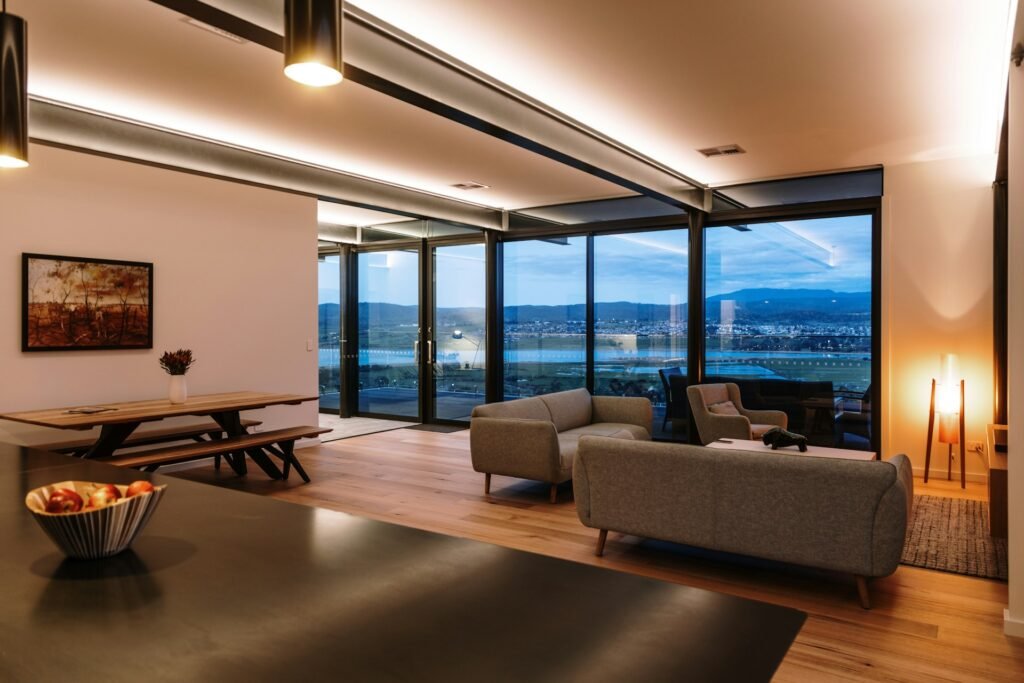
Technological advancements in smart technology have incorporated lighting into home automation. Lighting design has started incorporating smart lighting that can adapt to different conditions, moods, and even times, all controlled remotely via mobile or voice-controlled assistants. Smart design is set to offer more convenience, personalization, and optimization for lighting areas.
Decorative Lighting as Art
Lighting has transcended beyond the realm of a basic necessity. Currently, by the year 2026, lighting design is expected to involve the use of creative lighting fixtures that can be a focal point. This aesthetic approach taken by lighting design is in line with current design principles. Homeowners can refer to our blog page on decorative lighting design.
Adapting Tradition with Modern Techniques
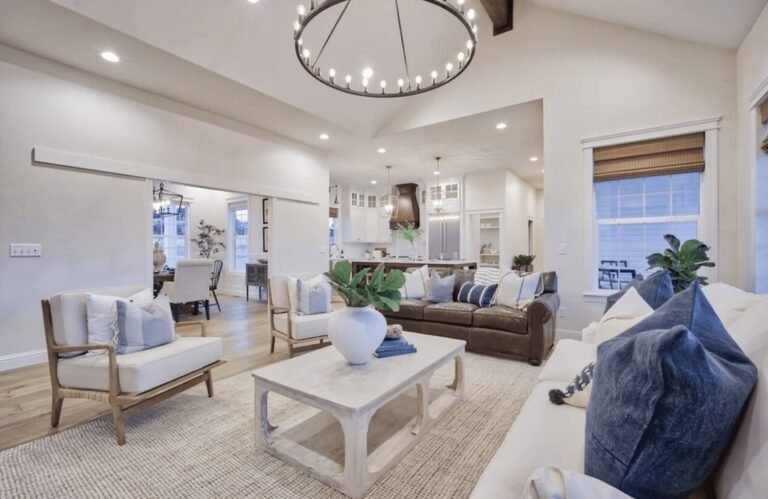
Traditional lighting designs have been popular, but with modern touches. Lighting designers combine traditional designs with new materials and technology, incorporating unique layers of lighting. This is attractive to homeowners who look for traditional lighting with innovative designs. For anyone unsure about where their lights should go, our guide on “Recessed Lighting Placement for Achieving the Perfect Light Balance” is a must‑read.
Best Lighting “Rules” Designers Ignore But Homeowners Follow
Breaking the Bulb: Overtaking Conventional Rules
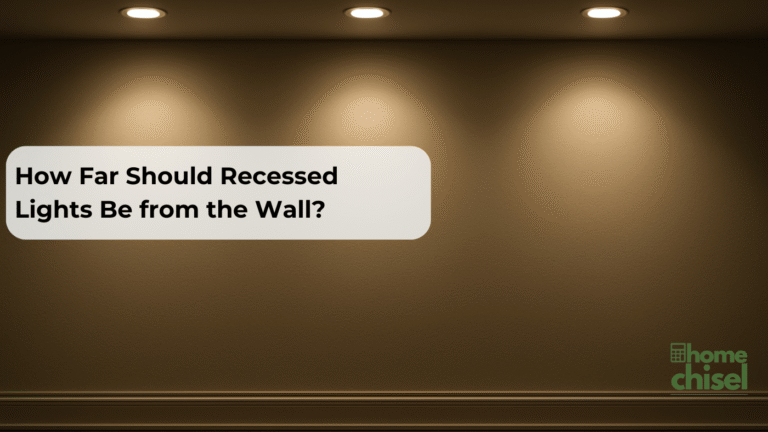
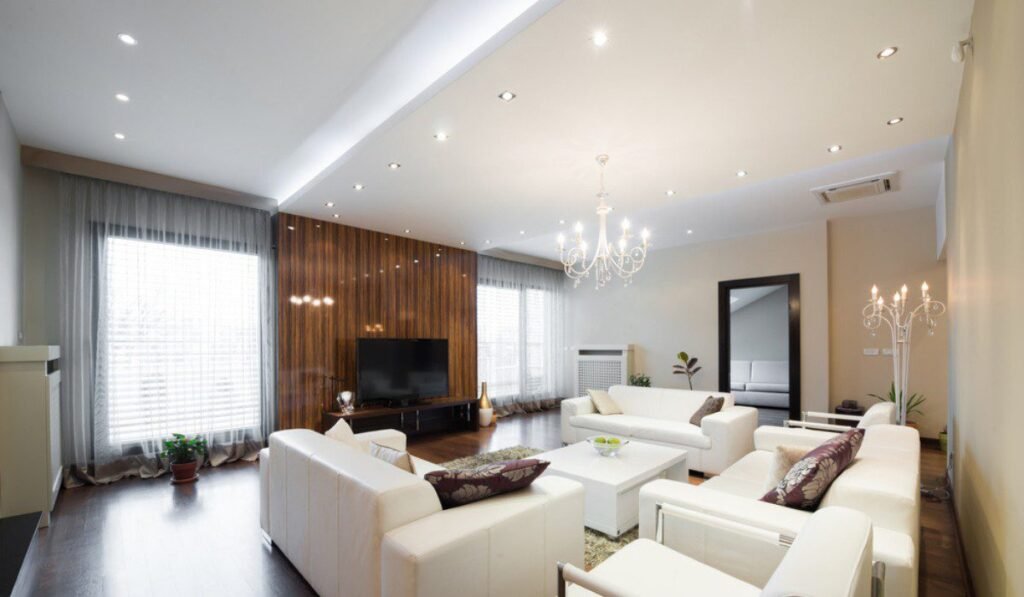
Yet in spite of this rapid development in lighting fashion, many people continue to follow established “rules” which designers have already dismissed in favor of more innovative approaches. First of these outmoded guidelines is the absolute requirement for uniform lighting levels, in which rooms are bathed in equal illumination. Instead, designers favor a lighting effect in which contrast is created through light and darkness to emphasize architectural details. By utilizing techniques like recessed wall washing, light is angled to graze walls, creating drama and focus, rather than washing out the entire room.
Exploring the Temperature Spectrum
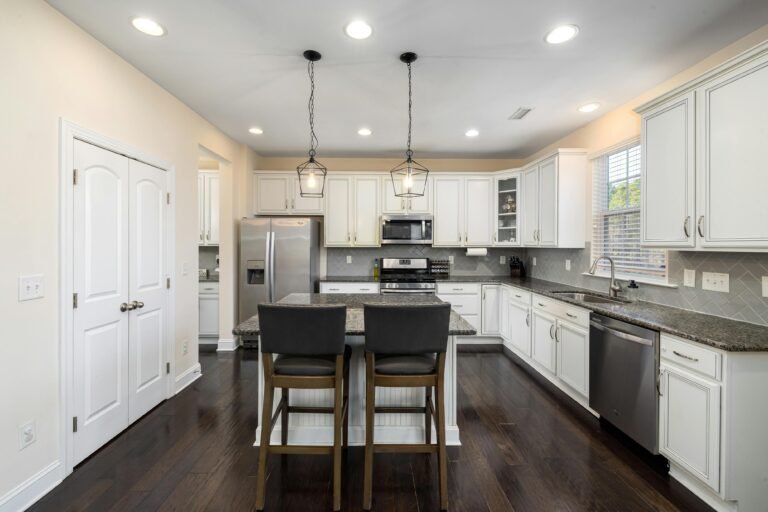
Another typical guideline that home owners have been holding on to is the strict adherence to a single color temperature in the home. Although home owners have been appreciating the warmth that warm white lighting provides, experts have been advocating for a more dynamic approach. This is achieved through the use of different color temperatures depending on the room’s usage, from cool white in the kitchen to improve visibility to the use of warmer colors in the living room.
Embracing the Dimensional Layers
The conventional approach to lighting is to emphasize ceiling-centric lighting, which pushes the boundaries of ceiling lights and not much else. Lighting designers know that layered lighting provides the best of both worlds, and that is both functional and aesthetically pleasing. Layered lighting, which is encouraged via tailored designs, embraces designs that are self-explanatory and expressive of one’s character and needs in contemporary living spaces.
How Ignoring Traditional Lighting Rules Enhances Design?
Challenging Conventions with Creative Solutions
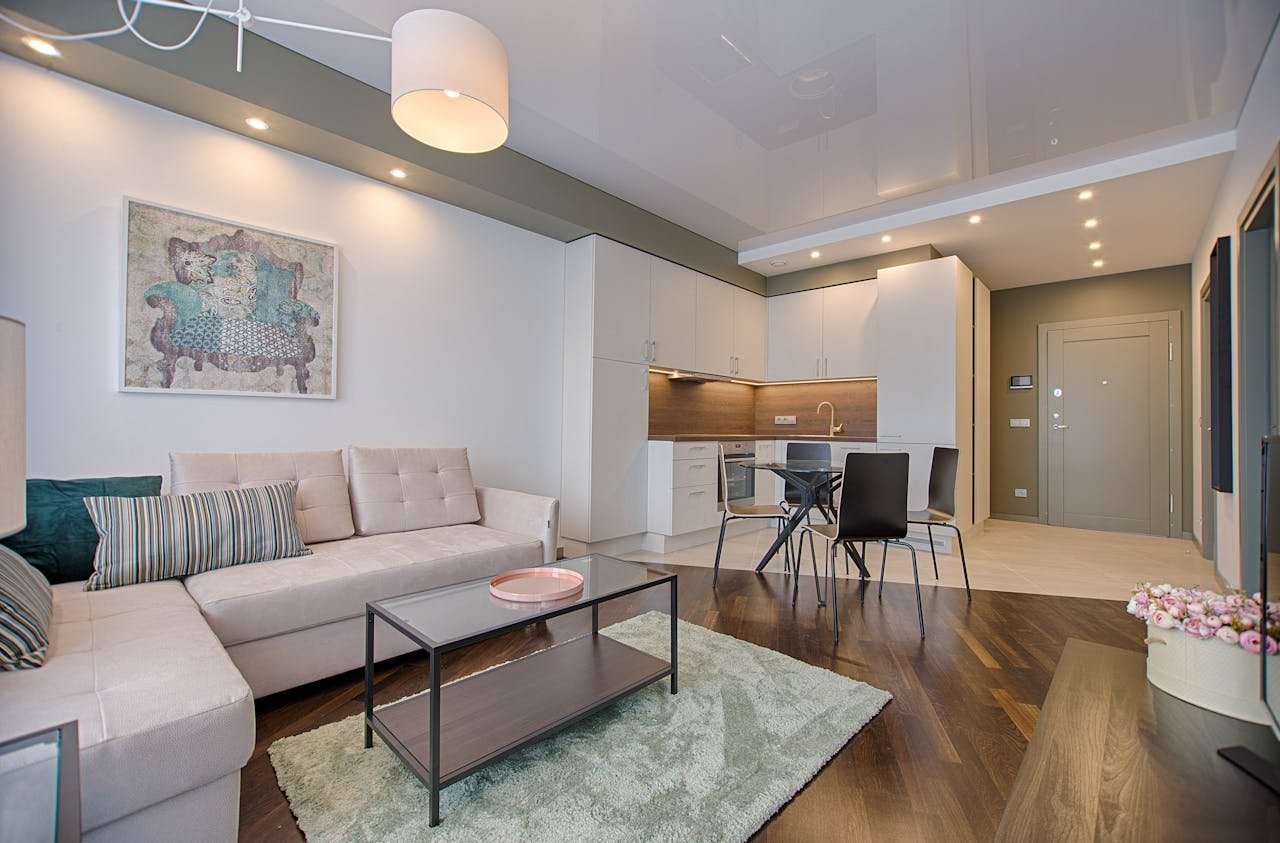
When it comes to interior design, there are traditional lighting norms that set the stage for how lighting should be distributed. But when these norms are disregarded, it might just be the start of something new and exciting when it comes to lighting design. By ignoring traditional lighting design norms, designers can create layers of lighting ambiance, task lighting, and accent lighting that not only function but are aesthetically pleasing too. For example, using trim lighting with adjustability enables lighting to be concentrated on areas of choice, highlighting architectural features or prized artwork with dramatic lighting effects.
Embracing Tools for a Modern Twist
In embracing a modern mentality, it is crucial to utilize technology, such as a recessed lighting calculator, to achieve this effect. A recessed lighting calculator can assist in determining the exact positions where the lighting should be placed, taking into consideration factors such as ceiling height and the intended use of the room.
Through the calculation process, designers and homeowners can eliminate pitfalls associated with poor lighting, such as under-lighting and irregular distribution. Consequently, custom lighting schemes are created, with balanced lighting effects that not only add to the décor but also optimize functionality.
Custom Lighting for Distinctive Spaces
Every room offers a chance to create a different lighting story that goes against conventional norms. Think about a living room that uses recessed lighting to highlight a piece of artwork and also provide a soft glow that induces relaxation. A kitchen can make use of task lighting to light up countertops and accent lights to highlight the architectural detail in a designer backsplash.
Balancing Aesthetics and Functionality in Home Lighting
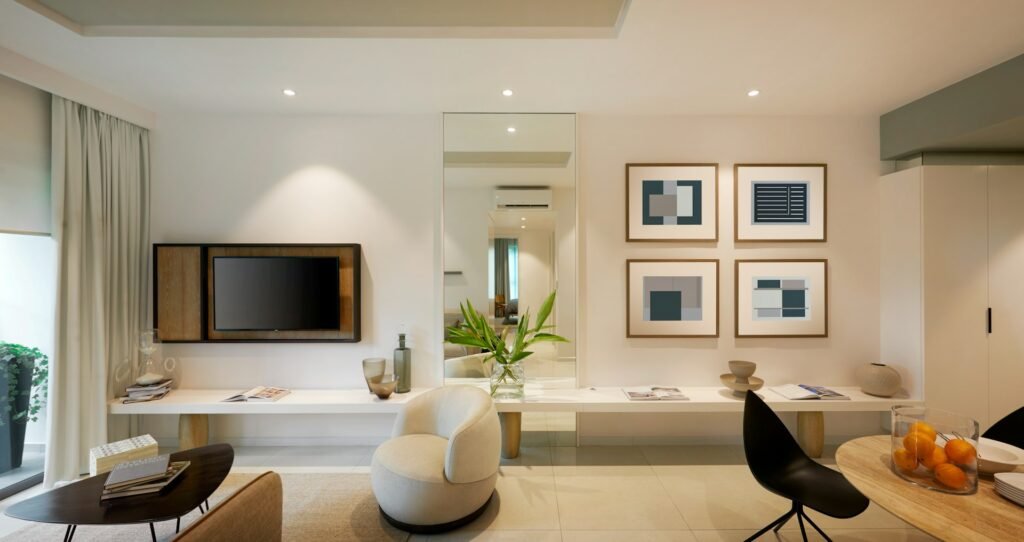
The art of achieving a harmonious balance between aesthetic appeal and functionality in residential lighting is a challenge that takes into consideration both the aesthetic value and the functionality of lighting. The recent trends in lighting design for the year 2026 focus on flexibility and modernization.
Prioritizing Adaptability
Home lighting should be flexible enough to accommodate different activities and moods, making flexible lighting systems greatly preferred. Adding dimmable lighting enables a smooth shift from a vibrant ambiance in the living room during social events to a peaceful setting in the evening. Recessed lighting, in particular, is a great source of soft, functional lighting that is still stylish. While choosing the lighting fixtures, it is important to consider the room size, ceiling height, and other sources of lighting. Adhering to the rules, like keeping the recessed lights 2-3 feet away from the walls, is essential in providing effective lighting distribution that prevents unwanted shadows.
Fusing Form and Function
The integration of style and functionality is very essential in the process of choosing lighting fixtures. For instance, the integration of technology enables one to easily customize lighting scenes, incorporating efficient solutions such as LED technology into the design of the house. The process not only increases the aesthetic feel but also concentrates on energy efficiency.
Final Thoughts
When you start off your lighting adventure, never forget that rules are generally only the first step. Designers in 2026 have left behind all the conventional styles and are opting for innovative and personalized designs. By practicing with these radical ways, you can make your place a mirror of your distinct style. For more ideas, look through our extensive manuals dealing with floors and wall finishings or use our internet-based tools for your forthcoming project.