Recessed Lighting Layout for Living Rooms: Exact Spacing Rules and Modern Ceiling Ideas
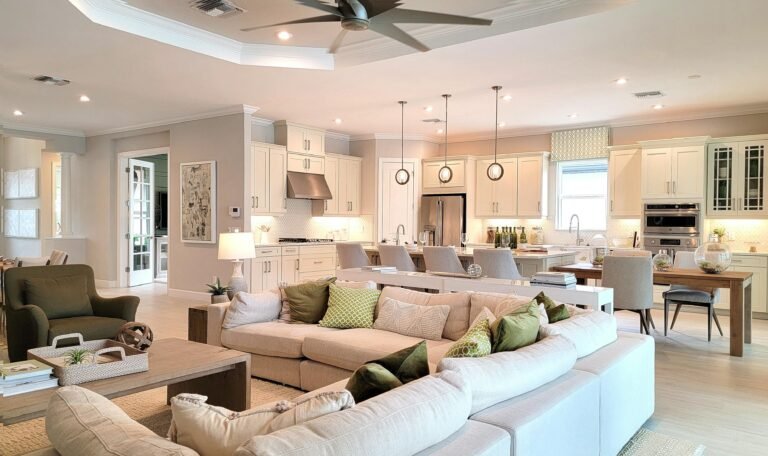
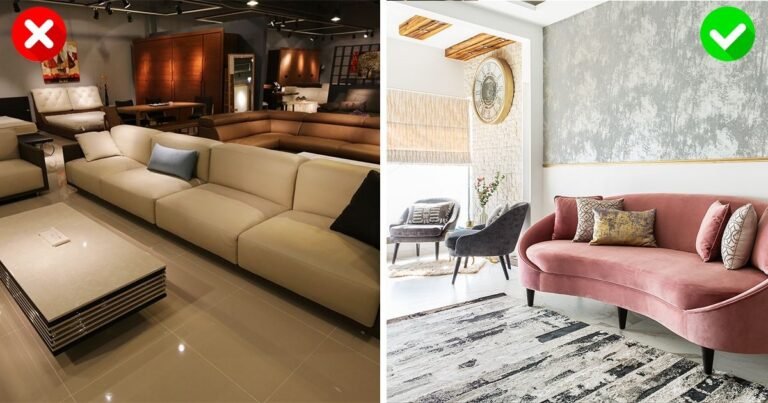
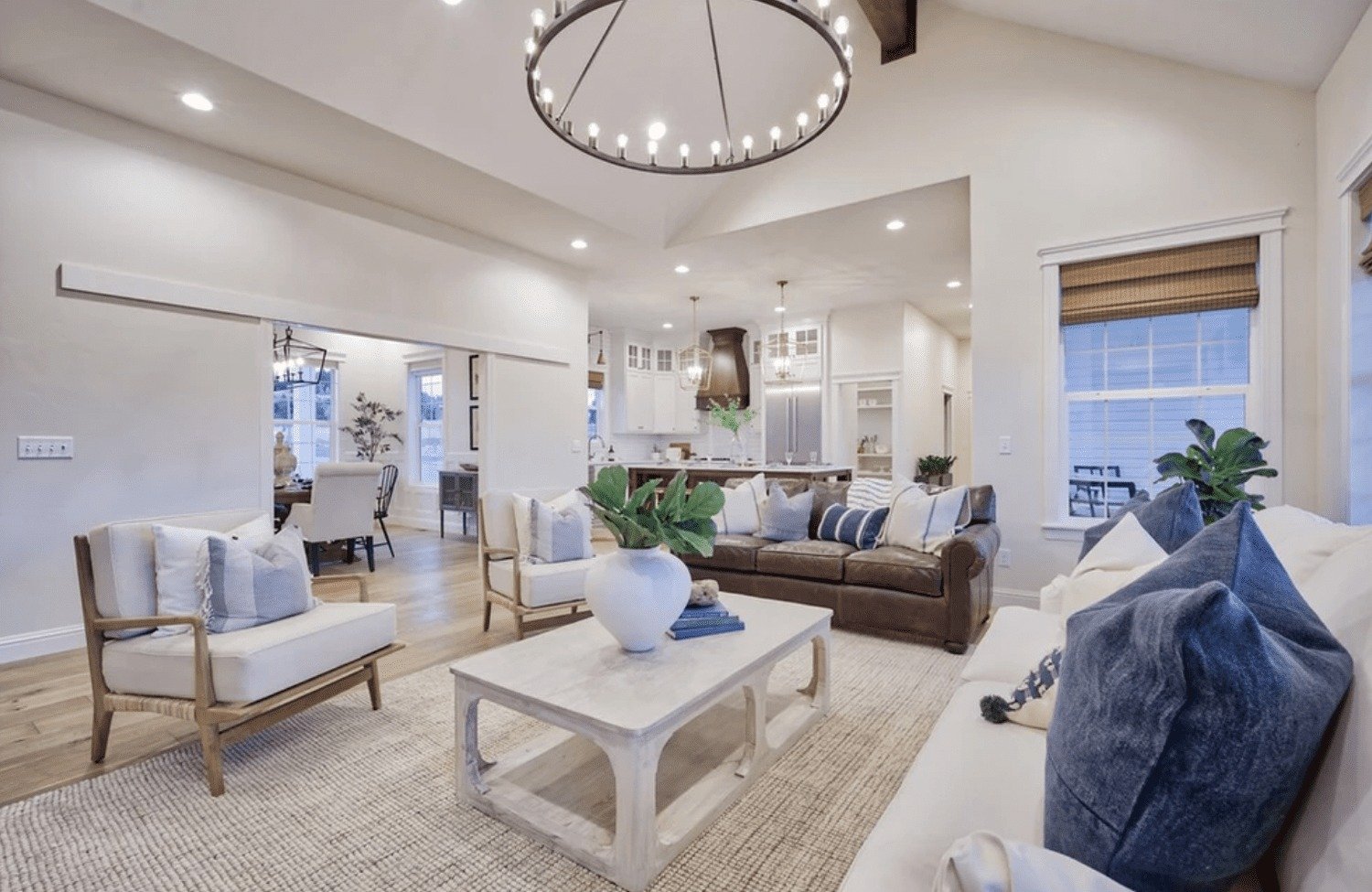
A great living room starts with smart lighting that looks good and works well for everyday life. Recessed lighting gives a clean, modern aesthetic while providing even illumination without bulky fixtures. Getting your recessed lighting layout for living room right means thinking about spacing, trim types, brightness, and placement so the space feels balanced and welcoming. At HomeChisel, we focus on simple, practical solutions that help you plan and install lighting with confidence. This guide brings together living room recessed lighting ideas, spacing rules, and placement tips so you can light your living room in a way that feels intentional and Pinterest‑worthy, without guesswork.
Table of Contents
Why Proper Recessed Lighting Layout Matters
Enhances Overall Visibility
Proper spacing ensures every corner of your living room receives adequate light, making the space functional for reading, socializing, or daily tasks. Well-placed recessed lights reduce shadows and provide consistent illumination.
Improves Ambiance and Mood
A thoughtful layout allows you to balance bright and soft lighting, creating a warm and inviting atmosphere. Living room recessed lighting ideas can set the right tone for both daytime and evening use.
Highlights Key Features
Correct placement draws attention to artwork, architectural details, or a seating area. Recessed light placement living room guides help you focus light where it matters most.
Prevents Glare and Harsh Shadows
Strategic spacing reduces uneven lighting that can strain eyes or make the room look unbalanced. A proper layout avoids concentrated beams in the wrong spots.
Supports Functional Zoning
A smart layout separates zones like seating, media, and pathways. Recessed lighting spacing guides ensure each area has the right amount of illumination without overcrowding the ceiling.
Living Room Recessed Lighting Basics
Types of Recessed Lights
There are several types of recessed lights to consider when planning a living room recessed lighting layout. Baffle trims reduce glare, making them ideal for general lighting. Eyeball trims can be angled to highlight artwork or focal points. Adjustable trims provide flexibility to redirect light as needed. Choosing the right trim affects both the look and functionality of your living room. Using these types strategically enhances your recessed lighting layout for living room while keeping it Pinterest-ready.
Brightness and Color Temperature
Lumens determine how bright a light is, while color temperature affects mood. Warm light (2700K–3000K) creates a cozy atmosphere, and cooler light (3500K–4000K) improves visibility. Considering brightness and color temperature is essential for a recessed lighting spacing guide, as it impacts where lights should be placed for uniform illumination.
Influence on Layout Decisions
The type of trim and light intensity guide recessed light placement in the living room. Adjustable lights allow targeted zones, while baffle trims work well for general coverage. Planning based on these factors ensures your living room recessed lighting ideas look balanced and functional.
Recessed Lighting Spacing Rules of Thumb
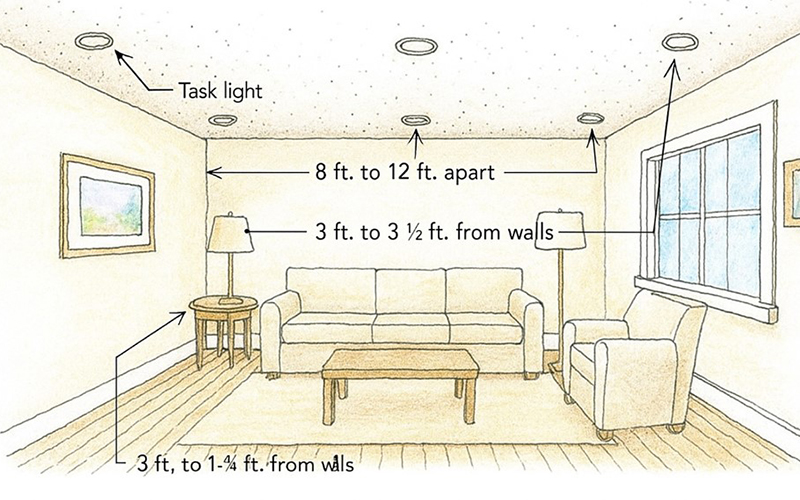
Spacing is crucial for a polished recessed ceiling lights layout. A common rule is to place lights roughly half the ceiling height apart. For example, in an 8 ft ceiling, lights are spaced about 4 ft apart; for 9 ft ceilings, approximately 4.5 ft. This simple formula helps answer the common question: how far apart should recessed lights be?
Distance from walls also matters. Lights should sit about 2–3 ft from the perimeter to avoid dark edges and shadows. Following these rules creates a functional and visually pleasing layout while keeping your recessed lighting layout for living room clean and professional. Using this recessed lighting spacing guide ensures every corner of the room is well-lit, improving both aesthetics and functionality.
Layout Ideas by Room Shape and Size
Small Living Rooms
For small spaces, cluster lights in key zones or place them around the perimeter. This maximizes coverage without overwhelming the ceiling. It’s a practical approach for compact living room recessed lighting ideas.
Medium Rooms
Medium-sized rooms benefit from rows or partial grids. Even spacing and alignment keep the light uniform, providing both style and function. Consider your furniture placement when planning recessed light placement living rooms.
Large Open Areas
In larger spaces, use multiple rows or zone-based layouts. Divide the room into functional areas, such as seating, media, and reading zones, then plan the recessed ceiling lights layout accordingly. Following a recessed lighting spacing guide ensures no area is underlit, giving your living room a polished, Pinterest-ready look while maintaining the correct spacing between recessed lights.
Placement Tips for Key Zones
Seating Areas
Seating areas are the heart of the living room, so proper lighting is essential. Recessed lights should be evenly spaced above sofas and chairs to provide balanced illumination for reading, conversation, and daily activities. Adjustable trims can direct light onto side tables or reading spots without causing glare. Using a recessed lighting spacing guide ensures that lights are neither too close nor too far apart, creating a functional and cozy environment. Thoughtful recessed light placement, living room planning in seating areas, also improves Pinterest appeal, as well-lit spaces photograph beautifully.
Around TV or Artwork
Placing recessed lights near your TV or artwork highlights focal points without creating reflections. Use dimmable or adjustable lights to control brightness and protect screens from glare. Art and decor benefit from subtle, directional lighting that enhances textures and colors. Proper planning improves the recessed ceiling lights layout and integrates seamlessly with other room zones. These zones are central to living room recessed lighting ideas, making your space visually appealing for both use and design inspiration.
Entryways and Pathways
Recessed lights along entryways and pathways provide safety and visual guidance. Even spacing ensures smooth transitions between areas and prevents dark spots. Following a recessed lighting layout for living room guide ensures these zones are functional and stylish.
Corners and Dark Nooks
Corners often become underlit without proper planning. Use smaller clusters or adjustable trims to fill shadows, balancing the overall recessed ceiling lights layout. Strategic placement transforms overlooked spaces into functional, cozy areas, completing your Pinterest-ready living room design.
Combining Recessed Lights with Other Fixtures
Chandeliers

Chandeliers act as statement pieces in the living room, providing decorative focal points and ambient light. When combined with recessed lighting, chandeliers offer layered illumination without leaving dark spots. Properly spacing recessed lights around the chandelier ensures the ceiling feels balanced and avoids overpowering the fixture. Following a recessed lighting layoutfor living room plan allows you to complement the chandelier while keeping the lighting functional and visually appealing.
Floor Lamps
Floor lamps add flexibility to seating zones, especially for reading or task lighting. Pairing them with recessed lights ensures the room has a mix of ambient and localized illumination. Position floor lamps in corners or near chairs while using your recessed lighting spacing guide to avoid overlapping bright spots.
Wall Sconces
Wall sconces highlight artwork, architectural features, or hallways, creating depth and contrast. Using them alongside recessed lights improves both function and aesthetics. Strategic recessed light placement living room ensures that each layer of lighting complements the other. Combining fixtures with a thoughtful recessed ceiling lights layout results in a cohesive, Pinterest-ready living room that is both stylish and practical.
Common Mistakes and How to Avoid Them
Overcrowding Lights
Too many recessed lights can make a ceiling feel cluttered and harsh. Follow a recessed lighting spacing guide to maintain balance and avoid over-illumination.
Wrong Light Angles
Incorrect angles create glare on TVs, artwork, or reflective surfaces. Plan recessed light placement living rooms carefully and use adjustable trims to target the right zones.
Ignoring Scale and Symmetry
Ignoring room size or ceiling height can result in uneven brightness. Measure your space and maintain symmetry to achieve a polished recessed ceiling lights layout.
Poor Spacing Between Lights
Not knowing how far apart recessed lights should be leads to dark patches or overlit areas. Use formulas and spacing guides to keep the layout consistent.
Skipping Layered Lighting
Relying only on recessed lights without combining fixtures reduces functionality and mood. Incorporate chandeliers, floor lamps, or wall sconces alongside recessed lighting to follow top living room recessed lighting ideas and create a Pinterest-worthy space.
Quick Checklist Recessed Lighting Layout for Living Rooms
- Measure your room size: Determine the number of lights needed for even coverage.
- Choose a spacing pattern: Plan distances between lights based on ceiling height using a recessed lighting spacing guide.
- Decide brightness and trims: Select baffle, eyeball, or adjustable trims to match room function and style.
- Sketch your layout: Map placement on paper or digitally to visualize spacing and arrangement.
- Verify zones: Ensure seating areas, pathways, and key focal points follow recessed light placement living room best practices.
Conclusion
A well‑planned recessed lighting layout changes how your living room feels, blending style with everyday function. By applying the recessed lighting spacing guide, thinking about recessed light placement in living room zones, and avoiding common planning mistakes, you create a space that looks polished and performs well. Light your seating areas, pathways, and focal points with purpose so your room feels inviting and balanced. When you are ready to take the next step, head to HomeChisel to use the recessed lighting layout calculator and other free tools that help you plan with confidence and precision.