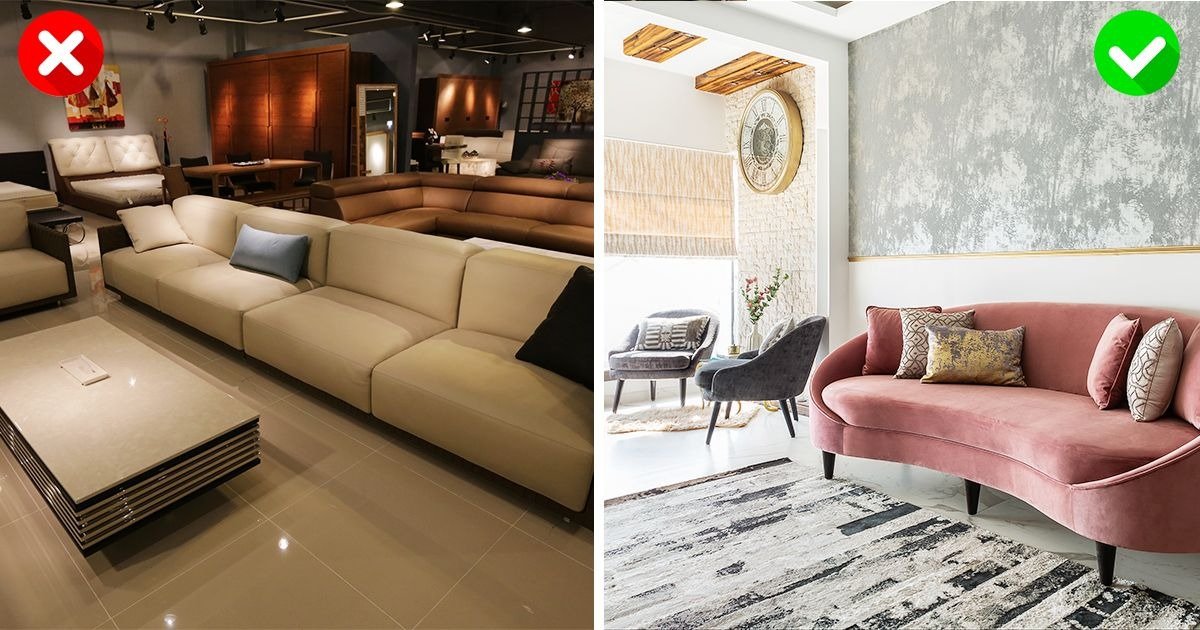
Wall Design Mistakes That Make Homes Look Cheap (And How to Avoid Them)
Wall design mistakes often go unnoticed until a room feels off. At HomeChisel, we see it all the time. A space may have great furniture and lighting, yet the walls make it look unfinished or poorly styled. From cheap looking wall decor to awkward art placement, these small errors quietly lower the overall impact of your home.
Table of Contents
In this guide, we break down the most common wall decor mistakes to avoid and show you exactly how to fix them. You will learn practical ways to improve scale, choose better finishes, and apply simple updates that instantly elevate your space. As part of the HomeChisel team, our goal is to help you create walls that feel intentional, balanced, and refined.
Why Walls Make a Big Visual Impact
Walls cover the largest surface area in any room. Because of that, they set the tone before you notice furniture or decor. If your walls look unfinished, cluttered, or poorly styled, the entire space feels off. Even high-quality furniture cannot distract from weak wall choices.
Poor placement of art, harsh paint lines, or empty oversized walls draw attention to flaws. On the other hand, well-planned styling creates structure and polish. Clean paint edges, balanced artwork, and thoughtful lighting make a room feel complete.
At HomeChisel, we always remind homeowners that strong walls are the foundation of great design. When you focus on smart layout and finish details, you immediately reduce wall design mistakes and elevate the entire space.
Common Wall Design Mistakes That Make Homes Look Cheap
Many homes feel unfinished, not because of budget, but because of overlooked details. These wall decor mistakes to avoid often seem small, yet they affect the overall impression of your space.
Too Many Small or Misplaced Pictures
Tiny frames scattered across a large wall create visual noise. Random spacing makes a gallery wall feel chaotic instead of curated. This often results in cheap looking wall decor that lacks intention.
Instead, group artwork around a clear centre line. Keep spacing consistent and align frames either by top, middle, or bottom. Larger pieces or structured gallery layouts always look more refined than scattered mini frames.
Incorrect Paint Choices and Poor Application
Paint can either elevate or age a room. Flat, dull shades without depth can make walls look lifeless. High gloss in the wrong area can highlight imperfections. Sloppy edges around trim and ceilings instantly reduce the perceived quality of a space.
Choose finishes that suit the room’s function and lighting. Take time to tape edges and apply even coats. Clean paint lines alone can shift a room from average to polished.
Ignoring Scale and Proportion
Scale is one of the most common wall design mistakes. That is too small above a sofa, looks disconnected. Oversized pieces in tight spaces feel overwhelming.
A simple rule is to let artwork span about two-thirds the width of the furniture beneath it. Maintain breathing room on all sides. Balanced proportions create harmony and prevent the wall from feeling awkward.
Poor Lighting on Walls
Lighting affects how colour, texture, and art appear. Dark corners, harsh spotlights, or glare from overhead fixtures can flatten the space. Walls without proper lighting often look dull and unfinished.
Layered lighting highlights texture and artwork. Wall sconces, picture lights, and soft overhead fixtures bring depth and warmth. If you want to understand how to make walls look expensive, start by improving the light that hits them.
Mismatched or Cheap Hardware and Frames
Mixing too many frame styles, finishes, and hardware tones can make walls feel disjointed. Thin plastic frames and inconsistent metals weaken the overall look.
Choose cohesive finishes such as matte black, brushed brass, or natural wood. Consistency creates calm and structure.
At HomeChisel, we provide interior wall styling tips and planning guides that help you compare frame sizes, layouts, and finishes before you hang anything. Our tools make it easier to apply modern wall design ideas with confidence and avoid costly mistakes.
How to Make Walls Look More Expensive
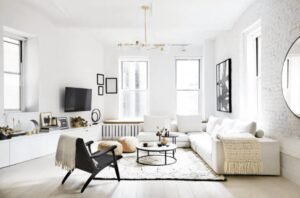
If you want to correct common wall design mistakes, focus on intention and restraint. Expensive-looking walls are rarely complicated. They rely on proportion, finish quality, and clear focal points. When each element feels placed with purpose, the room feels elevated without feeling forced.
Smart Color and Texture Choices
Color sets the foundation. Rich neutrals such as warm taupe, soft greige, and muted olive add depth without overpowering the room. Layered tones within the same color family create subtle contrast. Texture also matters. Matte paint, limewash effects, or soft paneling prevent flat surfaces. These updates reduce cheap looking wall decor and introduce dimension in a refined way. Thoughtful finishes are often the first step in learning how to make walls look expensive.
Strategic Art Placement and Grouping
Art should anchor the room, not float randomly. Choose one focal point per wall. Over a sofa or bed, artwork should span approximately two-thirds of the furniture’s width. Keep spacing between frames consistent. Avoid overcrowding with small pieces that compete for attention. Strong layouts are among the most practical wall decor mistakes to avoid. Balanced placement instantly improves the visual weight of the space.
Using Molding, Trim, and Architectural Details
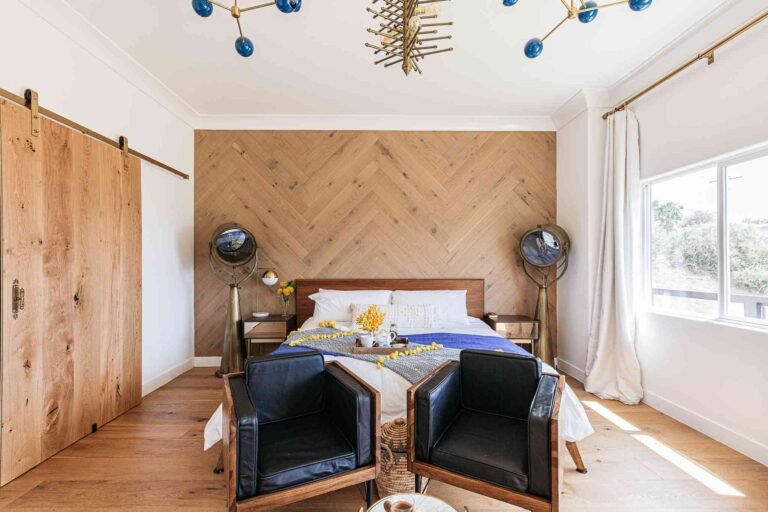
Simple architectural details can transform plain walls. Picture frame molding, wainscoting, or clean trim lines create structure and depth. Even subtle paneling adds a tailored look. These elements support modern wall design ideas without requiring major renovation. When installed with clean lines and painted evenly, they give walls a finished and custom feel.
At HomeChisel, we offer layout planning tools and design guides to help you visualize trim placement, color pairings, and art spacing before making changes.
Quick Styling Checklist to Avoid Wall Mistakes
Before you hang art or open a paint can, pause and review the basics. Check scale. Does the artwork match the furniture below it? Assess balance. One side of the wall is heavier than the other. Review lighting. Will shadows or glare affect the look?
Look at hardware and frame finishes. Do they feel cohesive? Step back and view the entire room, not just one wall. Small adjustments prevent major wall design mistakes later.
HomeChisel provides interior wall styling tips and visual planning resources that help you test layouts digitally, compare finishes, and make confident design decisions before committing.
How Can Home Chisel Help to Avoid Wall Design Mistakes
At HomeChisel, we help you move from guesswork to confident design decisions. Our planning guides and layout tools allow you to test wall arrangements, compare paint tones, and visualize trim details before you commit.
We provide practical interior wall styling tips that help you correct scale issues, refine lighting placement, and create cohesive finishes. Whether you are updating one room or rethinking your entire space, our resources are built to help you avoid costly mistakes and design walls that feel intentional and refined.
Conclusion
Wall design mistakes are rarely about budget. They are usually about scale, lighting, and cohesion. When you focus on balance, quality finishes, and thoughtful placement, you shift from random styling to intentional design. The right adjustments answer the question of how to make walls look expensive without overcomplicating your space.
At HomeChisel, we help you apply modern wall design ideas with confidence. Explore our planning tools, layout guides, and expert resources to refine your walls step by step. If you want tailored advice for your home, contact our team. We are here to help you create walls that feel polished, balanced, and truly complete.