Small Room Flooring Ideas That Make Spaces Look Bigger
Small room flooring ideas that make spaces look bigger focus on smart design choices rather than costly renovations. The right materials, layout, and tones can visually stretch walls and improve natural light. From light flooring ideas for small spaces to wide plank flooring for small rooms, subtle adjustments create noticeable impact. Choosing the best flooring for small rooms means balancing brightness, durability, and seamless flow. At HomeChisel, we provide expert guides and comparison tools to help you select floors that enhance openness while maintaining long-term performance.
Table of Contents
Why Flooring Choice Matters in Small
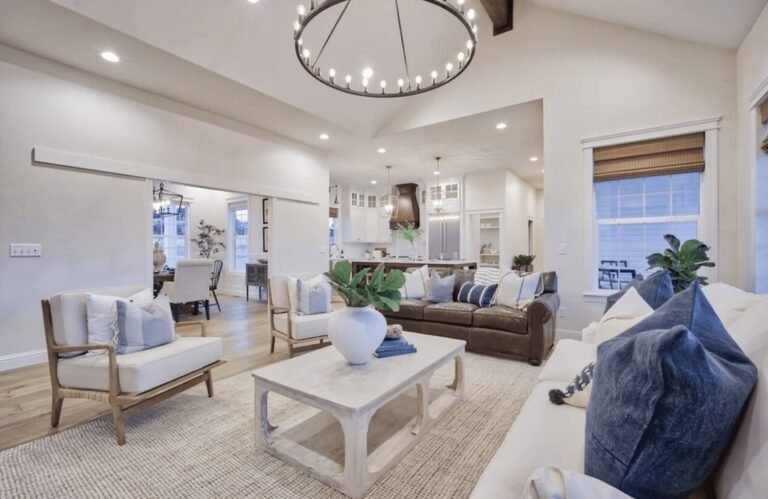
In compact spaces, flooring does more than support furniture. It shapes how large or confined a room feels. The right surface can visually stretch walls, reflect light, and reduce visual clutter. Colour plays a significant role, as floor colours that open up a space tend to reflect natural light and create an airy feel. Plank direction also matters. Installing boards lengthwise along the longest wall helps extend the room visually. Continuity is equally essential. Fewer transitions between rooms make layouts feel seamless. These small room flooring ideas that make spaces look bigger rely on smart material choices rather than major renovations. At HomeChisel, you can explore comparison guides and expert advice to select finishes that maximize space.
Best Flooring Types for Small Rooms
Light Hardwood and Engineered Wood
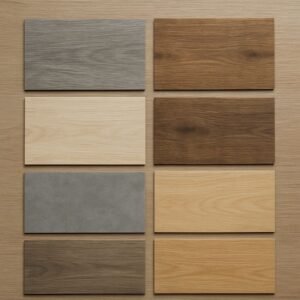
Light oak, ash, and maple tones are classic light flooring ideas for small spaces. These shades reflect natural light and prevent rooms from feeling heavy. Wide plank flooring for small rooms reduces the number of seams, creating a smoother, more expansive look compared to narrow boards. Engineered wood offers stability while maintaining the warmth of real timber. Natural matte or satin finishes enhance brightness without glare, helping floors feel refined and spacious.
Luxury Vinyl Plank and Laminate
Luxury vinyl plank and laminate provide budget-friendly alternatives to hardwood while maintaining a clean, seamless appearance. Modern wood look designs closely mimic natural grain and texture. When installed consistently across connected rooms, they create visual flow and reduce harsh transitions. Their thin profile and easy installation make them practical for apartments and compact homes. These options support light flooring ideas for small spaces without stretching your renovation budget.
Large Format Tiles
Large format tiles are ideal for small bathrooms and kitchens because fewer grout lines reduce visual clutter. This uninterrupted surface makes floors appear wider and more open. Gloss or satin finishes reflect light effectively, enhancing brightness in compact rooms. Choosing pale tones further increases the sense of space. When used thoughtfully, large tiles align perfectly with small room flooring ideas that make spaces look bigger while maintaining durability and moisture resistance.
Polished Concrete and Microcement
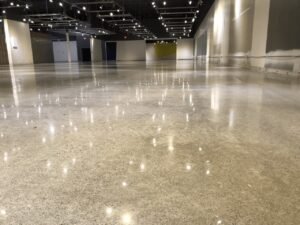
Polished concrete and microcement create a smooth, continuous surface with minimal joints. This uninterrupted finish visually expands compact rooms and reflects light subtly. Light gray or soft neutral tones act as floor colors that open up a space without overpowering it. These finishes also pair well with modern interiors and require minimal maintenance, making them practical for smaller homes or studio layouts.
Light Herringbone or Subtle Patterned Wood
A subtle herringbone layout in pale wood tones can add movement without overwhelming a room. When the pattern is kept light and consistent, it draws the eye outward, creating depth. Choosing soft finishes and coordinating with walls ensures balance. This option works well in living areas or bedrooms where you want character while still maintaining the effect of small room flooring ideas that make spaces look bigger.
Flooring Layout Tricks That Make Rooms Look Bigger
Layout matters as much as material. Even the best flooring for small rooms can fall short if installed without a strategy. HomeChisel offers planning guides and layout tips to help you visualize installation direction before committing.
Diagonal and lengthwise installation
Installing planks parallel to the longest wall stretches the room visually and enhances depth. Diagonal layouts create movement, drawing the eye across the floor rather than stopping abruptly. This technique works exceptionally well with wide plank flooring for small rooms, where fewer seams further enhance openness and flow.
Continuous Flooring Across Spaces
Using the same flooring throughout connected rooms eliminates harsh visual stops. Avoiding thresholds and material changes helps spaces blend seamlessly, especially in apartments or open layouts. Continuous surfaces reduce clutter and strengthen the effect of light flooring ideas for small spaces by maintaining visual consistency.
Minimal Grout Lines and Thin Seams
Large planks or tiles with thin seams reduce interruptions across the surface. Fewer grout lines mean less visual distraction, which makes floors appear reflected. Smooth transitions and subtle joints are simple but effective ways to create a more expansive feel in compact areas.
Best Floor Colors That Open Up a Space
Light Oak and Natural Wood Tones
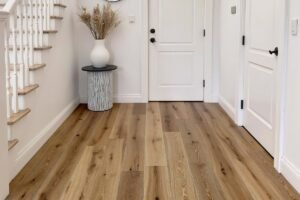
Light oak and similar natural finishes reflect daylight and create warmth without heaviness. These shades brighten corners and support small room flooring ideas that make spaces look bigger by maintaining an airy, balanced appearance.
Soft greige and warm neutrals
Greige combines gray and beige for a subtle, flexible tone. It blends well with most walls and décor, making it one of the most reliable floor colors that open up a space.
Pale Grey Finishes
Light gray flooring offers a modern, clean look while reflecting light effectively. It works exceptionally well in apartments and compact rooms where brightness enhances perceived size.
Creamy beige and sand tones
Soft beige and sand hues add warmth without darkening the room. These tones reduce harsh contrast and create smooth transitions between floors and walls.
Light whitewashed finishes
Whitewashed or lightly brushed finishes soften wood grain and increase brightness. This approach minimizes visual weight and helps achieve the best flooring for small rooms.
Flooring Mistakes That Make Small Rooms Feel Smaller
Choosing Very Dark Flooring
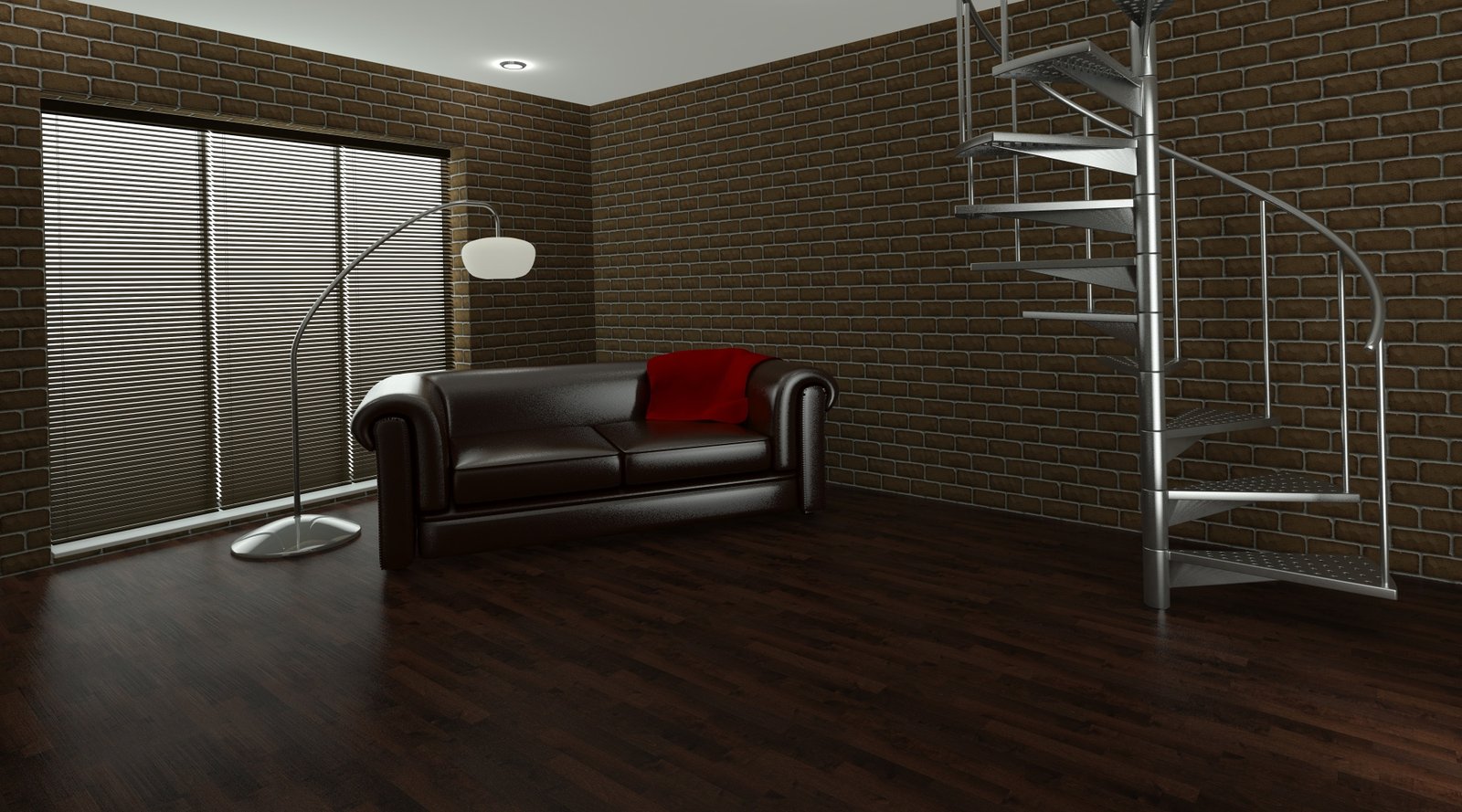
Deep brown or black finishes absorb light and make compact spaces feel enclosed. Without intense lighting and light walls, dark flooring can shrink the visual footprint of a room.
Using busy, high contrast patterns
Bold patterns and substantial color variation create visual noise. In tight spaces, this distracts the eye and undermines light flooring ideas for small spaces.
Installing Narrow Planks with Many Seams
Too many seams interrupt the flow and make the floors look fragmented. Broad plank flooring for small rooms reduces lines and creates a smoother, more expansive surface.
Mixing Multiple Flooring Types
Switching materials between connected rooms breaks visual continuity. Consistent flooring helps small layouts feel open and cohesive.
Covering Floors with Thick, Oversized Rugs
Large, heavy rugs hide the visible floor area and limit light reflection. This reduces the impact of small room flooring ideas that make spaces look bigger.
Room-by-Room Small Space Flooring Ideas
Small Living Rooms
Light wood tones such as oak or ash reflect natural light and prevent visual heaviness. Broad plank flooring for small rooms minimizes seams and enhances flow. Use area rugs strategically by leaving visible floor edges around furniture to maintain openness and highlight floor colors that open up a space.
Compact Bedrooms
Soft textures create comfort without adding visual clutter. Engineered wood or light laminate paired with minimal rugs keeps the floor visible and cohesive. Extending the same flooring into closets removes transitions, helping the room feel larger and more unified.
Small Kitchens and Bathrooms
Large format tiles reduce grout lines and visual breaks, making floors appear wider. Choose waterproof materials in pale tones to reflect light and resist moisture. These light flooring ideas for small spaces work exceptionally well in compact kitchens and bathrooms.
Quick Checklist for Choosing Flooring in Small Rooms
Choose Lighter Shades
Opt for light tones such as soft oak, pale gray, or warm beige. These floor colors that open up a space reflect more light and prevent small rooms from feeling enclosed.
Keep Materials Consistent
Use the same flooring across connected areas to reduce visual breaks. Continuity strengthens small room flooring ideas that make spaces look bigger by maintaining flow.
Consider Reflective Finishes
Select satin or lightly polished finishes that bounce light around the room without creating glare. Subtle reflection enhances openness.
Think About Plank Direction
Install boards lengthwise along the longest wall to visually stretch the room. Broad plank flooring for small rooms further reduces seams and clutter.
Prioritize Durability
Choose surfaces that handle daily wear while maintaining appearance. The best flooring for small rooms balances light design with long-term performance.
Conclusion
Applying small room flooring ideas that make spaces look bigger can transform compact interiors into bright, welcoming areas. Selecting floor colors that open up a space, maintaining consistent materials, and choosing wide plank flooring for small rooms all contribute to visual expansion. The best flooring for small rooms combines light tones, thoughtful layout, and durable finishes. Explore HomeChisel for expert advice, product comparisons, and practical planning tools to confidently upgrade your small spaces and make them feel larger than they are. Visit HomeChisel today to explore expert guides, compare products, and get professional advice to upgrade your small spaces and make them feel larger than they are.