Bedroom Renovation Ideas: Matching Floor Color, Paint, and Lighting
Bedroom renovation ideas go beyond changing furniture or adding décor. The way you coordinate floor color, wall paint, and lighting determines whether your space feels calm or chaotic. When these elements work together, your bedroom becomes a place that supports rest and comfort every day. By carefully selecting finishes and planning combinations in advance, you create a balanced environment that feels intentional and refined.
Table of Contents
Why Coordination Matters in Bedroom Design
A bedroom should feel calm the moment you step inside. Visual harmony plays a major role in achieving that effect. When flooring, wall paint, and lighting clash, the space feels unsettled and distracting. Coordinated finishes create balance and help your mind relax at the end of the day. Flooring influences warmth, paint shapes mood, and lighting controls atmosphere. Together, these elements affect how easily you unwind and sleep. Careful planning before purchasing materials prevents costly mistakes and mismatched tones. Reviewing samples and comparing combinations early ensures your choices support comfort rather than disrupt it.
Bedroom Renovation Ideas: Choosing the Right Floor Color
Light Floor Colors for Airy Bedrooms

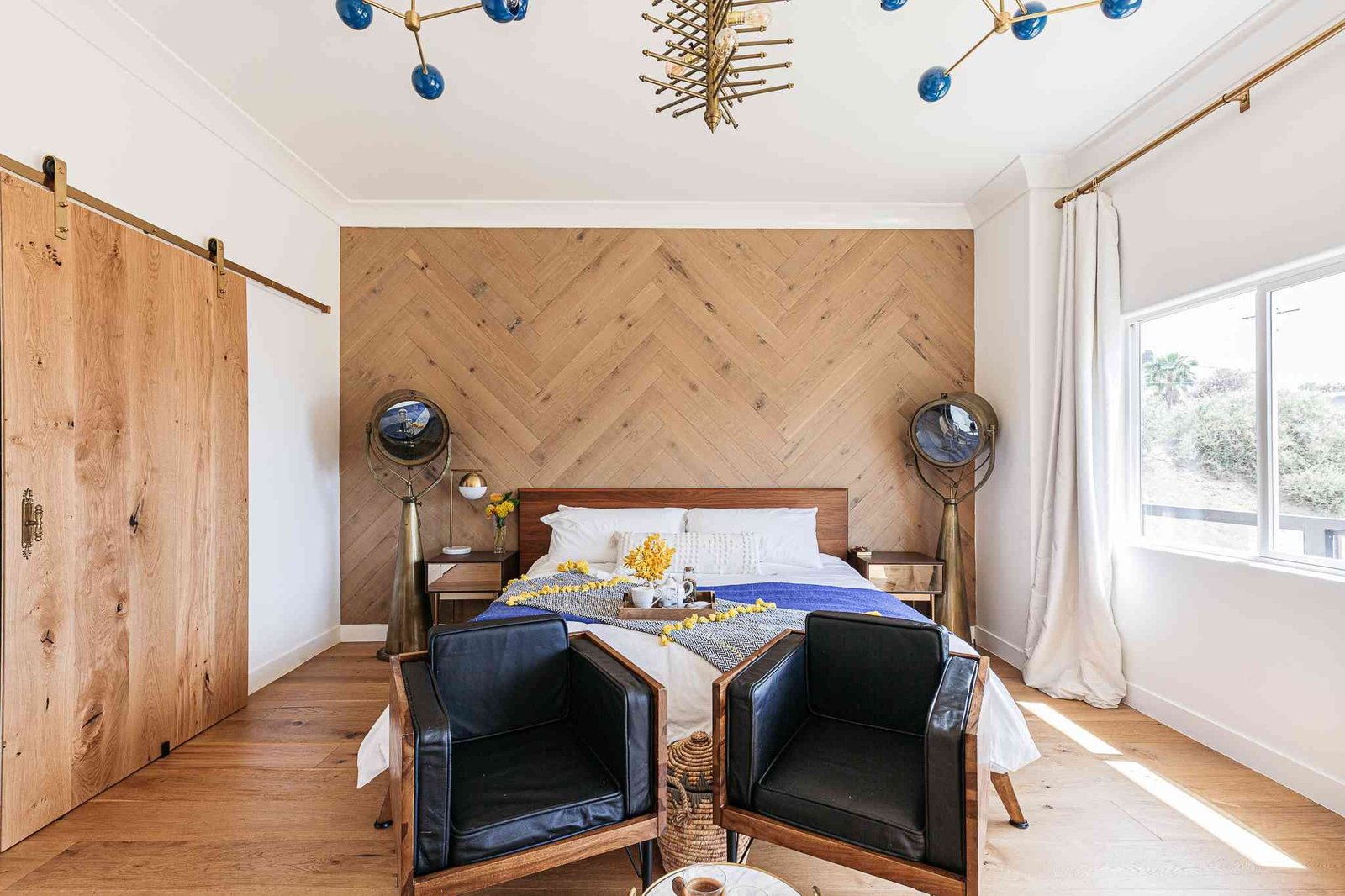
Pale oak, soft maple, and light laminate remain popular bedroom floor color ideas because they create an open and breathable atmosphere. These finishes reflect natural light effectively, helping compact rooms feel more spacious and less confined. Light flooring also pairs easily with neutral bedding and soft textiles, making it easier to coordinate paint and lighting without visual imbalance.
Dark Floor Colors for Depth and Drama
Walnut and espresso tones introduce richness and controlled contrast into a bedroom. Dark floors ground the space and create a sense of structure, especially when balanced with lighter wall colors. In rooms with sufficient daylight, these finishes feel refined rather than heavy. They also highlight furniture silhouettes and add subtle sophistication without requiring excessive decorative elements.
Neutral and Natural Wood Tones
Medium oak and balanced wood finishes offer flexibility for long-term design changes. These tones adapt easily if you repaint or update furniture over time. Neutral flooring supports both contemporary and traditional interiors, which makes it a dependable choice. It provides harmony without leaning too warm or too cool, allowing other design elements to stand out naturally.
Cool Grey and Ash finishes
Gray and ash-toned flooring supports clean and contemporary bedroom designs. These finishes pair well with white trim, simple furniture, and uncluttered layouts. When combined with warm bedside lighting and textured fabrics, gray floors feel inviting rather than sterile. They provide subtle contrast while maintaining a calm and organized appearance throughout the room.
Soft beige and honey undertones
Beige and honey wood tones add gentle warmth without overwhelming the bedroom. These finishes blend smoothly with soft wall colors and natural materials such as linen, cotton, or woven textures. They help create visual continuity between furniture and architectural details. This balanced warmth supports a comfortable atmosphere that feels relaxed and thoughtfully coordinated.
Best Paint Colors for Bedrooms Based on Flooring

Matching Light Floors with Soft Walls
Cream, warm white, and soft gray remain some of the best paint colors for bedrooms when paired with pale flooring. These shades enhance brightness while creating a calming environment suitable for rest. Matching undertones between floor and wall prevents clashing hues and ensures the room feels cohesive. This approach keeps the space light, comfortable, and visually balanced.
Balancing Dark Floors with Lighter Paint
Off white, pale beige, and light taupe help prevent dark flooring from making the bedroom feel closed in. Lighter paint reflects available light and introduces contrast that adds dimension. This balance keeps the room grounded while preserving openness. It allows dark floors to stand out without dominating the overall design scheme.
Earthy and Muted Color Palettes
Sage green, dusty blue, and muted clay tones introduce subtle character without overpowering the bedroom. These colors work especially well with natural wood flooring and layered lighting. They add warmth and softness while maintaining a restful mood. Thoughtful coordination shows how to match bedroom flooring and wall color without creating harsh contrast.
Bedroom Lighting Ideas for a Cozy Feel

Thoughtful lighting transforms a bedroom from functional to restful. The right fixtures and bulb choices influence how colors appear and how comfortable the space feels at night. Here are some tricks to keep in mind:
Layered Lighting Approach
A layered approach combines ceiling fixtures, bedside lamps, and subtle accent lighting. Each layer serves a purpose, from general illumination to focused reading light. Avoid relying on a single overhead source, which often creates shadows and glare. Layering allows you to adjust brightness throughout the day and evening, improving comfort and flexibility.
Warm Color Temperature for Relaxation
Soft white bulbs with warm tones create a soothing atmosphere that encourages rest. Cooler bulbs can feel clinical and disrupt the calm mood you want in a bedroom. Warm lighting enhances natural materials and complements neutral paint colors. Choosing the right temperature supports relaxation and helps your bedroom feel inviting at night.
Statement Fixtures for Style
Pendant lights or a modest chandelier can add personality without overwhelming the room. A carefully chosen statement fixture draws attention upward and creates visual interest. Keep the scale appropriate for the room size to avoid imbalance. This approach allows lighting to serve both decorative and functional roles.
Dimmable Lighting Controls
Installing dimmer switches gives you full control over brightness levels. You can increase light when cleaning or organizing, then reduce it in the evening for relaxation. Dimmers extend bulb life and help you adapt lighting to different moods. Flexible control improves comfort without requiring additional fixtures.
Bedside Task Lighting
Dedicated bedside lamps or wall-mounted reading lights provide focused illumination without lighting the entire room. This setup allows one person to read while the other rests comfortably. Adjustable fixtures direct light precisely where needed. Proper task lighting enhances practicality while preserving the overall calm atmosphere.
How to Match Bedroom Flooring and Wall Color

Undertone Coordination
Understanding undertones prevents subtle clashes between floors and paint. Warm wood tones pair best with warm-based paints, while cooler floors suit gray or blue-based shades. Paying attention to undertones ensures the room feels unified rather than slightly off-balance
Testing Samples in Real Lighting
Always test paint and flooring samples in your bedroom before final decisions. Observe them during morning light, afternoon brightness, and evening artificial lighting. Colors shift depending on light conditions. Testing reduces surprises and supports informed choices that align with your design vision.
Avoiding Extreme Contrast
Strong contrast between very dark floors and very bright walls can feel abrupt. Moderate contrast creates depth without harsh transitions. Balanced combinations maintain calm and visual comfort. Careful selection keeps the bedroom inviting instead of visually overwhelming.
Creating Visual Flow from Hallway to Bedroom
Flooring and wall tones should transition smoothly from adjacent spaces. Consistency between the hallway and the bedroom prevents the space from feeling disconnected. This flow strengthens the overall design of your home and creates a cohesive experience from one room to another.
These steps explain how to match bedroom flooring and wall color in a way that supports comfort and style while integrating bedroom floor color ideas with the best paint colors for bedrooms.
How HomeChisel Can Help
HomeChisel provides practical guidance to support your bedroom renovation ideas from planning to execution. On the website, you can explore detailed material comparisons, design inspiration galleries, and expert articles covering bedroom floor color ideas and lighting strategies. The platform also features renovation budget calculators and flooring cost tools that help you estimate expenses before purchasing.
HomeChisel guides break down the best paint colors for bedrooms and offer practical advice on layout planning and fixture placement. If you want clarity on how to match bedroom flooring and wall color, the site provides structured recommendations and real examples. By combining expert insights with planning tools, HomeChisel helps you make confident decisions and avoid costly mistakes.
Conclusion
Smart bedroom renovation ideas focus on harmony between flooring, paint, and lighting rather than isolated upgrades. When you coordinate tones, test samples, and layer lighting thoughtfully, your bedroom becomes both functional and restful. Use the planning tools and expert guides available on HomeChisel to compare materials and refine your choices. Start mapping out your renovation today and create a bedroom that truly supports comfort and style. For personalized guidance and expert tips, contact the HomeChisel team today and let us help you plan your perfect bedroom makeover.