An expert lighting guide to balancing function and ambiance in different types of rooms, calculating lumens, and layering light…
Table of Contents
We all know how important good lighting is for designing beautiful interiors, but of course, you also have to be practical. Exactly how much light you will need in a room depends on various things, such as the size of the room, its purpose, and the atmosphere you want to create- exactly what we will talk about today 💡
How Many Lumens Do You Need?
Today’s LED light bulbs are measured in lumens (lm). The number of lumens indicates how bright the bulb is. They are, in fact, a more accurate way to measure light quality than the previous measure of watts, which only measured the total energy a bulb consumes.
As a basic guide to how many lumens you need in a room, first multiply the length and width of the room to determine the total square footage (example, a room that’s 10×10 feet has a total area of 100 sq. feet).
Then, you need to calculate how many lumens you need per square foot, also known as foot-candles. The number varies depending on the purpose and size of each individual room.
As a rule of thumb, a bedroom or sitting room will usually require 10 to 20 lumens per sq. foot, while a kitchen or bathroom will need a higher level, generally around 70 to 80 lumens per sq. foot. To work out the total lumens, multiply the total area by this figure. So, our 100-square-foot bedroom (with its 10 to 20 foot candles) will need around 1,000 to 2,000 lumens in total.
Tip- If the math feels abstract, our Recessed Lighting Calculator Tool can turn theory into a visual plan- simple & effective.
However, this explains only one part of the lighting needed in a room- as we’ll see, there’s a lot more to how many lights do you really need in a room than just lumens.
What’s the Best Way to Light a Room?
Apart from the size of the room and the total number of lumens, it’s important to consider the different activities the space will be used for.
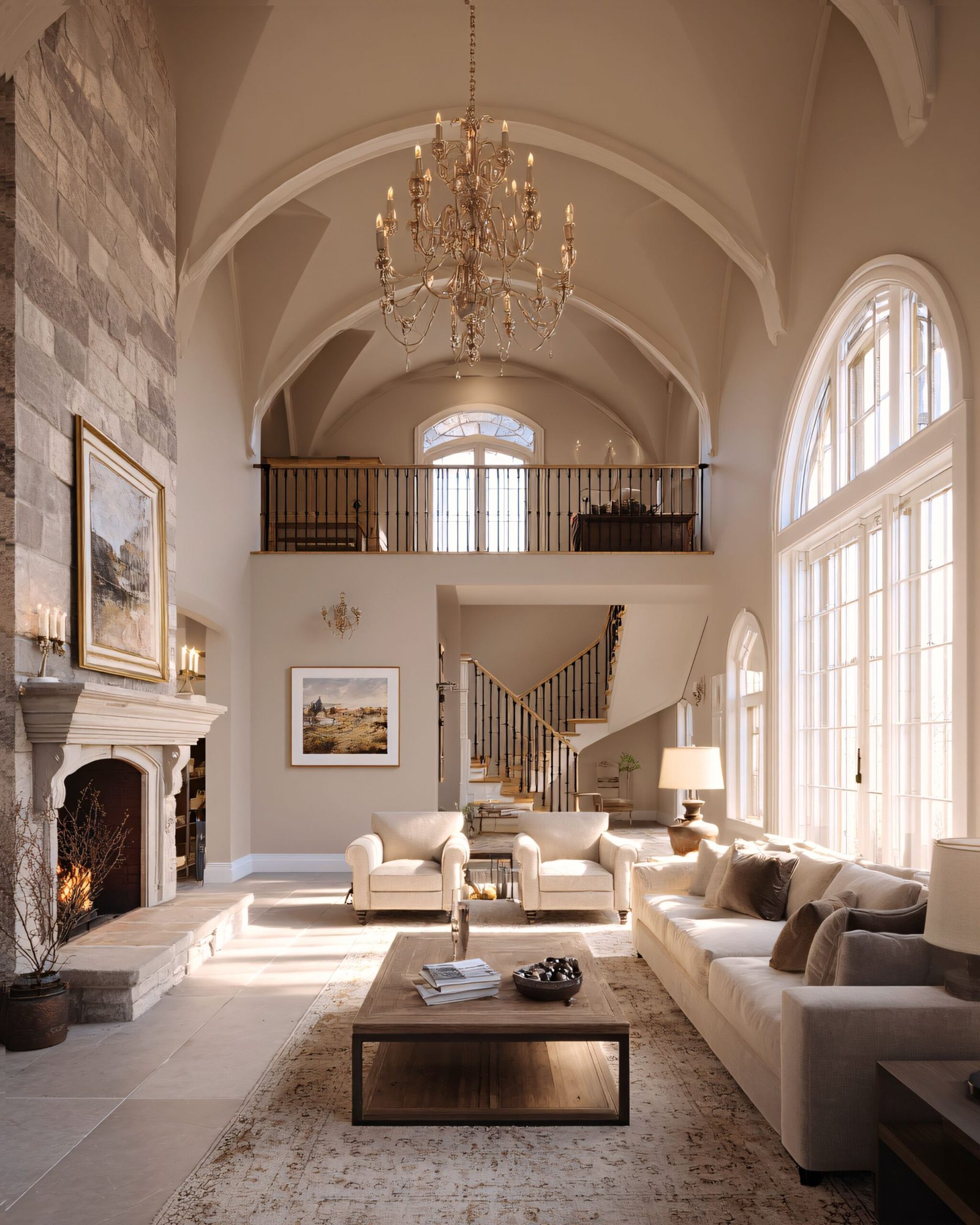
Rooms like the living room or kitchen are multipurpose areas. You will have to combine different types of lighting to accommodate it all, from stronger, more targeted light (for tasks such as cooking) to low-level, atmospheric illumination for relaxing. This approach is called “layering” your lighting.
There are three primary sources of lighting that can be layered. Ambiant. Task. Accent.
Ambiant lighting- The overall, general illumination in a room. Includes the main light and any other fixtures that contribute to the general lighting, such as recessed lights or wall mounts.
Task lighting- Required for focus-demanding tasks, as the name suggests. Higher lumens are preferred for such fixtures; for example, you need at least 450 lumens for a task like reading.
Accent lighting- The “jewelry lighting,” often used to draw attention to the architectural features of your home, as well as ornaments, photos, or artwork. Plus, it should be at least 3 times stronger than ambiant lighting.
How to Light a Living Room
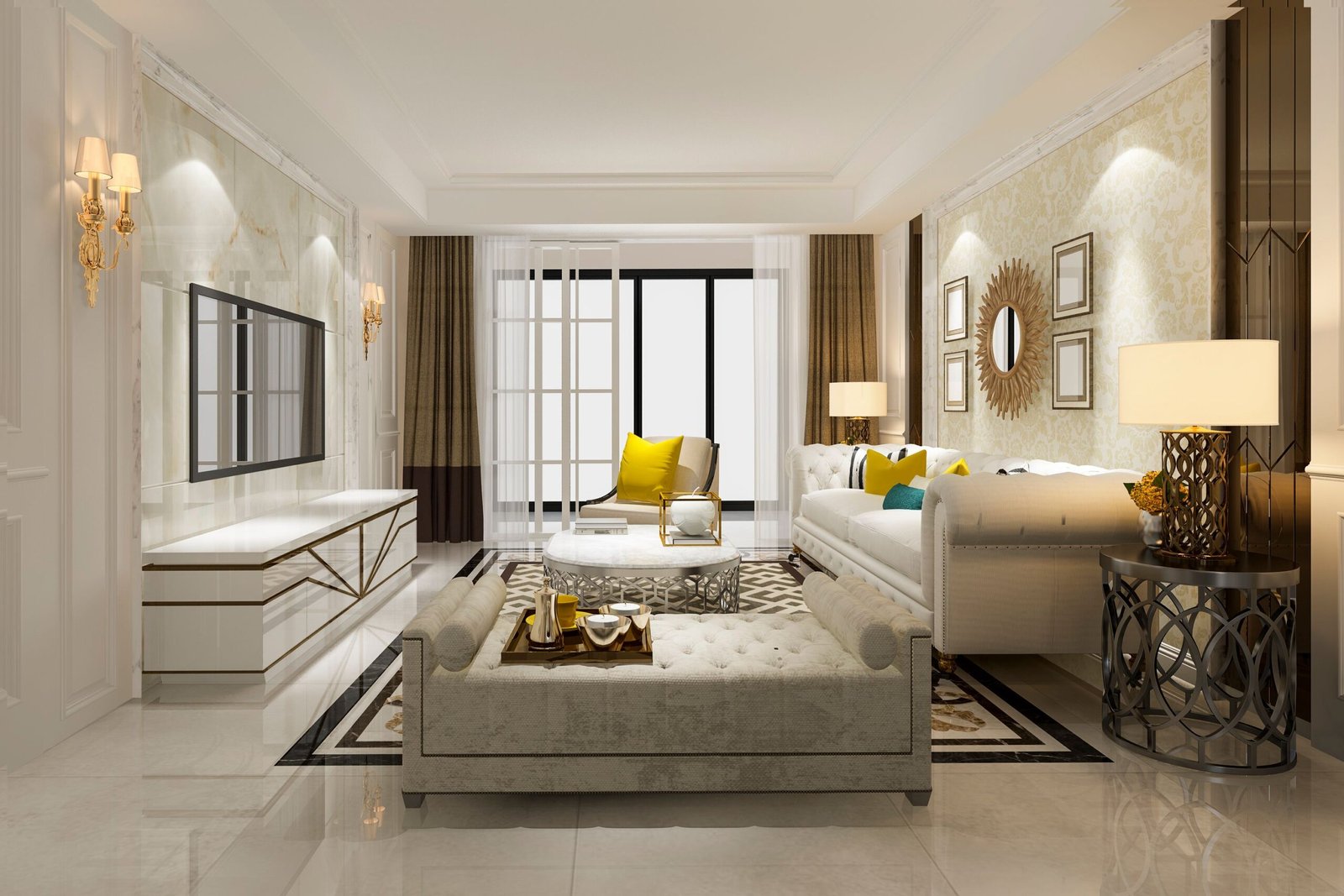
The living room is used for various types of activities, from reading and watching TV to doing homework, enjoying a light meal, entertaining, or even just relaxing, and your lighting scheme needs to reflect this well.
Pro Tip- Remember to account for the amount of natural light in your living room, coming from skylights, bay windows, or patio doors, and how this light bounces around from surface to surface.
The main ambiant source of light in a living room is usually a pendant light. Add depth by pairing it with wall lights, semi-flush mounts, floor lamps, and recessed lights, so the ceilings and any corners and alcoves are illuminated properly (the secret to making your space appear visually bigger 😉).
Next, add in table and floor lamps for task lighting, and rely on uplighters as accent fixtures. When it comes to relaxing in the evening, a dimmer offers the ultimate flexible lighting to create a chilled atmosphere. Make sure to choose a dimmable bulb, too!
How to Light a Dining Room
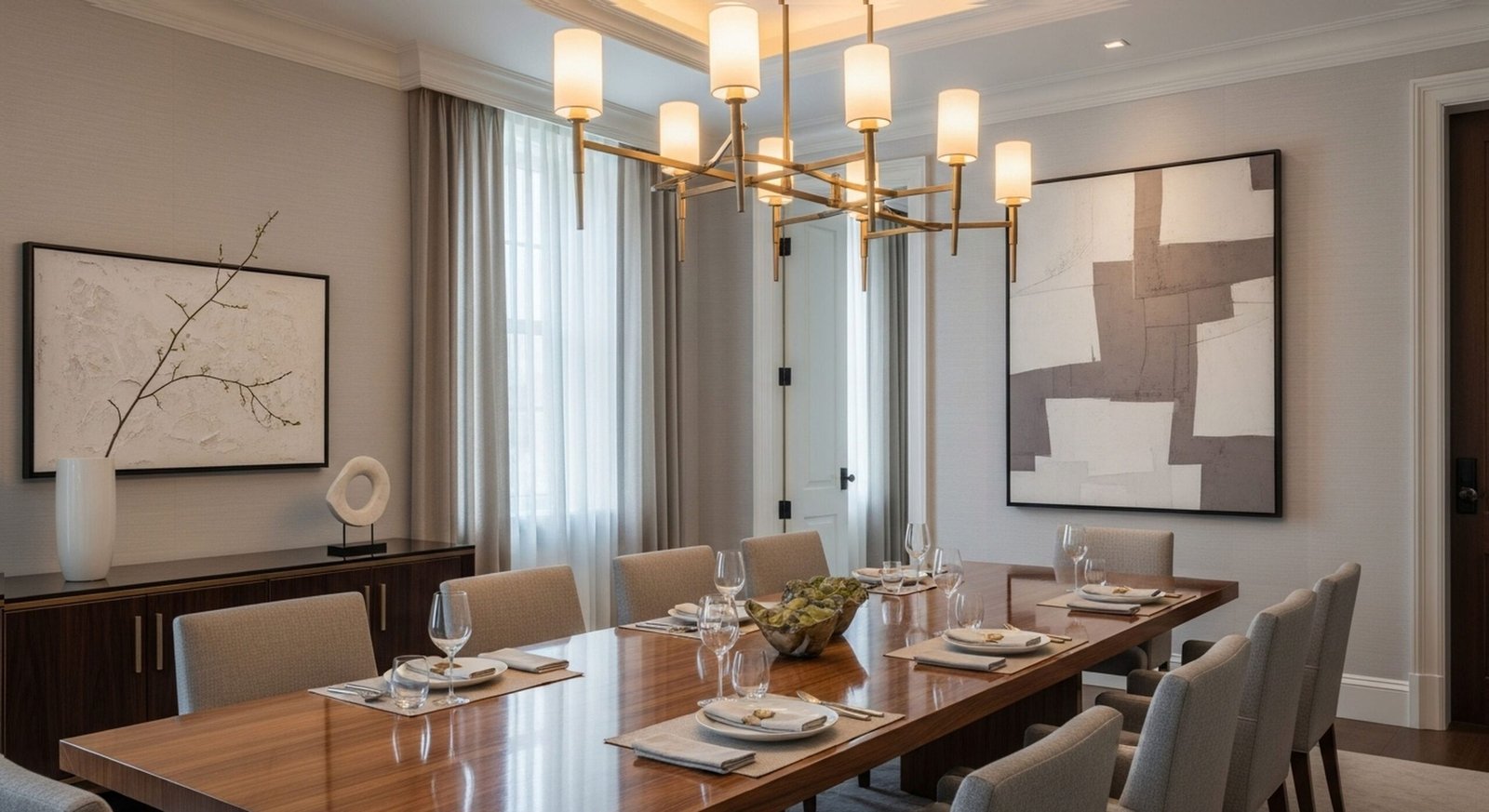
The dining room is one of those spaces where lighting alone can single-handedly impact the whole mood. If your dining room also doubles as a workspace or feeding station, you’d want to make sure the lighting plan chosen accommodates all such activities.
Because the table is the focal point, it’s best to base your lighting around it. A striking chandelier or low-hanging pendant light (or a group of pendant lights, for a longer table) both make a head-turning statement. This will also help define the dining area zone if your table sits in an open-plan space.
Aim to hang the bottom of the fixture 36 inches above the table, then when it’s time to entertain, you can up the vibes by turning down the lumens (you’ll need a dimmer for that, so make sure it’s in place!). A few carefully combined wall lights and table lamps can further enhance the mood and add a sense of intimacy.
Pro Tip- Knowing how many lumens your dining room needs is only half the equation. The next challenge is figuring out where that light should actually go, especially when you’re working with recessed fixtures. This is where a recessed lighting layout calculator comes in handy. While lumens tell you how much light your room requires, the calculator helps translate that number into proper spacing & placement.
How to Light a Kitchen
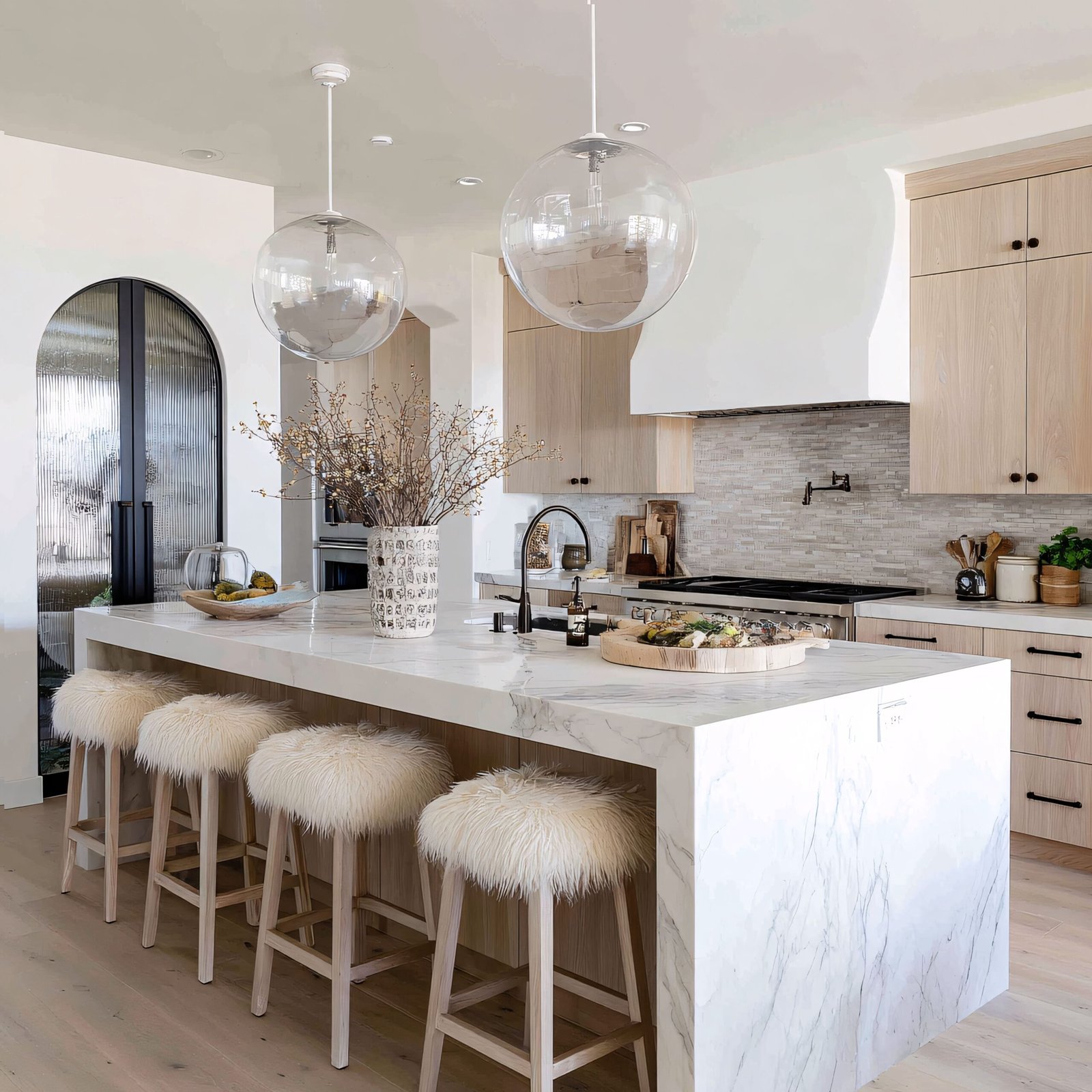
Another multifunctional room, so it needs plenty of good, ambiant light, plus illumination for specific tasks. Having the right mix of lighting can make this otherwise utilitarian space feel welcoming, one that works just as well for morning coffee as it does for long dinners and late-night conversations.
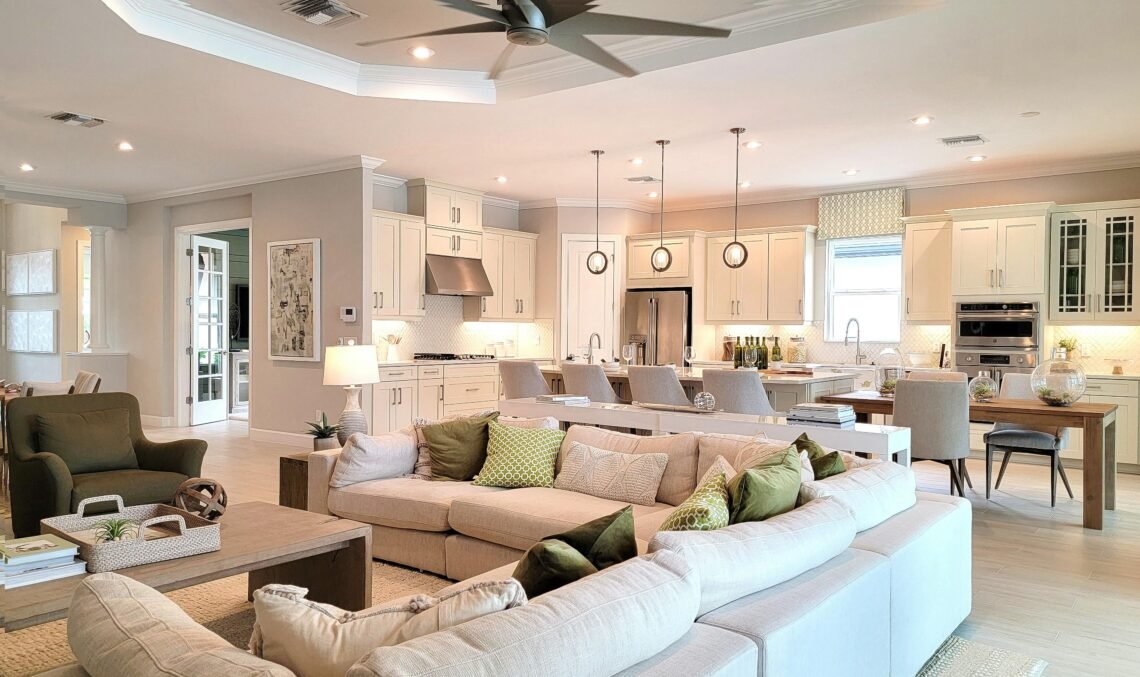
You need direct, focused light above the areas where you work, such as the cooker, sink, counters, and other food-prep spots. This can come from a blend of carefully positioned pendant lights, adjustable spotlights, and recessed lights. A single pendant, or a row of pendants, looks absolutely stunning above a kitchen island- odd numbers, pairs of 3 or 5, tend to work best.
If you also eat and entertain in the kitchen, then a striking chandelier hung low over the table is a good idea, as it helps delineate the dining space from the working areas. For extra ✨cozy✨ vibes, add in some accent lighting, such as wall lights or shelf lights.
How to Light a Bedroom
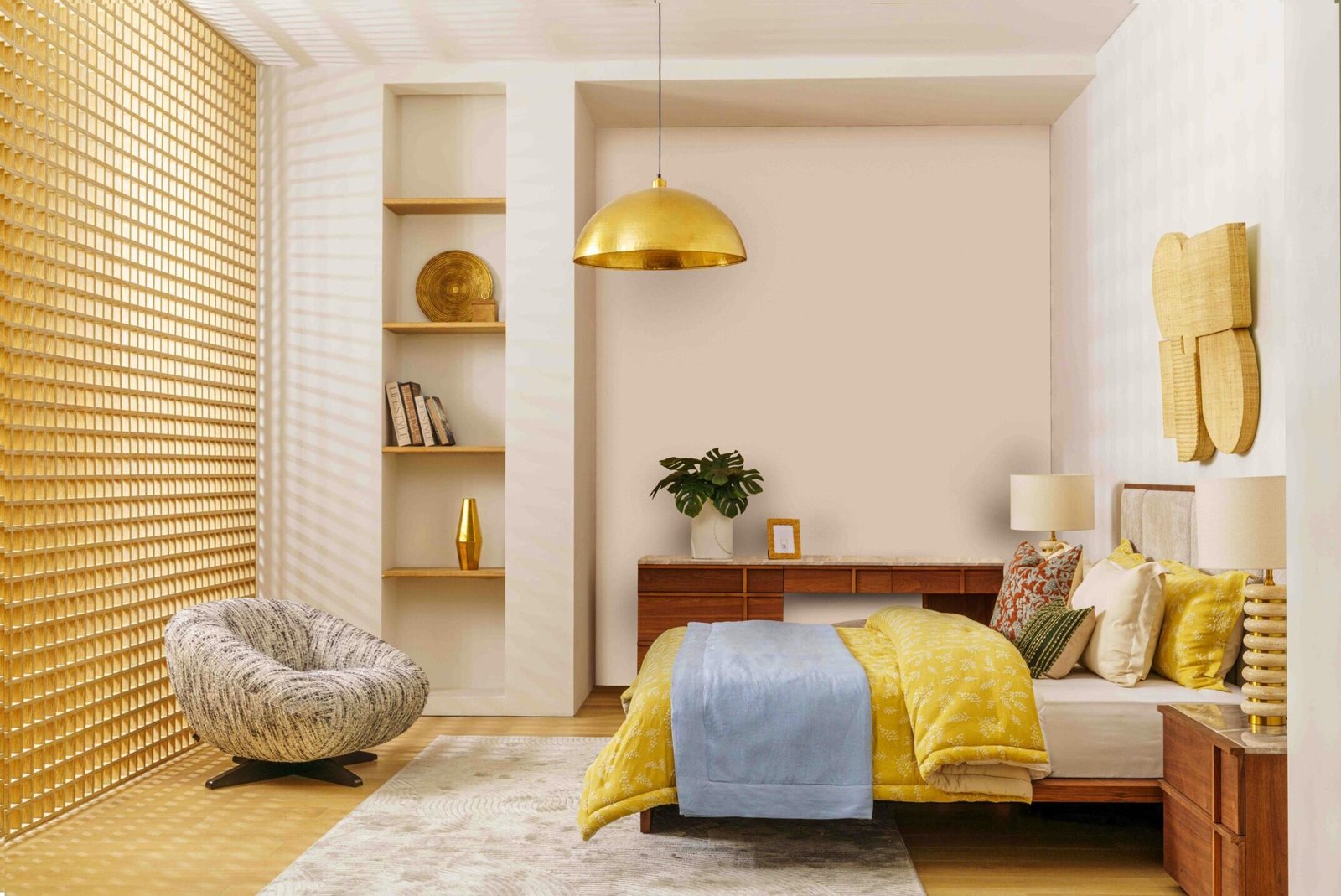
Again, there’s a list of needs to be accounted for in the bedroom (sleeping, dressing, reading, and watching TV), so layering lighting is key.
The main source of light will usually be the ceiling fixture, and it can also double as a lovely decorative focal point if positioned correctly (like a chandelier or pendant light 8 to 12 inches from the ceiling). Bedside lighting is non-negotiable, especially if you’re partial to a spot of nighttime reading.
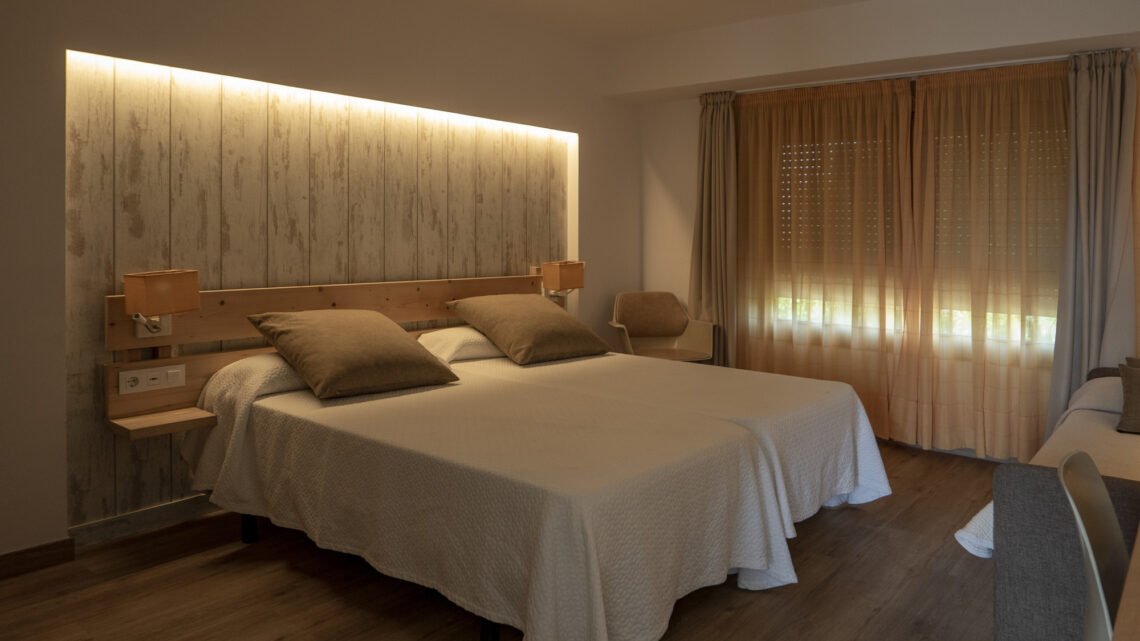
For other practical tasks, like applying makeup, focused task lighting from desk lamps or low-hanging pendants will do the job. You can then finish with accent lighting sprinkled around the room, think subtle LED strip lighting behind the headboard, or a small table lamp on a dresser.
As well as the light fittings themselves, you should also consider the ambiance or ‘color’ of the bulbs you’re using. Blue and white light are known to inhibit sleep, while ‘warmer’ yellow bulbs are more relaxing (and a perfect choice for the bedroom 💛).